
How to Preserve Your Wedding Bouquet: 7 Methods to Keep Your Bouquet Forever
●
●
●
Your wedding bouquet is one of the most personal things you’ll hold on your wedding day. Every bloom was chosen with intention – the colours, the textures, the scent. So it makes sense that the thought of watching it wilt and go into the bin feels genuinely awful.
The good news? Bouquet preservation has never been more accessible or more beautiful. Whether you want a pressed flower frame on your bedroom wall, a resin keepsake on your shelf, or even jewellery made from your petals, there’s a method that suits your style and budget.
This guide walks you through every option, from simple DIY techniques you can start tonight to professional wedding flower preservation services that will turn your bridal bouquet into a piece of art you’ll treasure for decades.
7 Ways to Preserve Your Wedding Bouquet
1. Air Drying – The Simplest DIY Method
Air drying is the easiest and most accessible way to preserve a
wedding bouquet at home. It requires no special equipment and costs next to nothing.
How to do it:
1. Remove any damaged or wilted petals before you start
2. Separate the bouquet into smaller bunches if it’s particularly large
3. Tie the stems together with twine or a rubber band
4. Hang the bunches upside down in a cool, dark, well-ventilated space – a wardrobe, a spare room, or a dry laundry area works well
5. Leave them undisturbed for two to three weeks
6. Once fully dry, give them a light spray of unscented hairspray to help hold the petals in place
Best for: Roses, eucalyptus, lavender, protea, waxflower, baby’s breath, and other hardy blooms.
Keep in mind: Air drying causes flowers to shrink slightly and colours to mute and fade. The results have a beautiful vintage, nostalgic quality, but they won’t look like they did on your wedding day. Air-dried flowers are also more fragile than other preservation methods and can be susceptible to moisture and mould over time, especially in Australia’s more humid climates. Air-dried bouquets typically last one to two years before they start to deteriorate.
2. Silica Gel Drying – Better Colour, Better Shape
Silica gel is a desiccant – the same tiny crystals you find in those little packets inside new shoes and bags. It draws moisture out of flowers much faster than air drying and does a significantly better job of retaining their three-dimensional shape and colour.
How to do it:
1. Purchase silica gel crystals from a craft store (they’re widely available in Australia and relatively affordable)
2. Pour a layer of silica gel into an airtight container
3. Place your flowers face-up on top of the gel
4. Gently pour more silica gel over and around each bloom until they are fully covered
5. Seal the container and leave it undisturbed for five to seven days
6. Carefully remove the flowers and brush off any remaining crystals with a soft paintbrush
Best for: Roses, protea, ranunculus, gerberas, anthuriums, and any flower where you want to retain bold colour and a natural three-dimensional form.
This method is particularly popular as a first step before placing flowers into resin or shadow boxes, as it produces a cleaner, more lifelike result than air drying alone.

3. Pressing – A Timeless, Elegant Technique
Pressed flower preservation is one of the oldest and most beloved methods, and it’s having a genuine renaissance right now. Talented botanical artists across Australia are turning pressed wedding bouquets into breathtaking framed artworks that work beautifully as wall décor.
How to do it at home:
1. Select the flowers and individual blooms you want to press – flatter, thinner flowers work best
2. Place them between two sheets of absorbent paper (blotting paper or plain newsprint works well)
3. Slide the sheets into the middle of a heavy book or a dedicated flower press
4. Stack additional heavy books on top to add pressure
5. Check every few days and replace the paper if it becomes damp
6. The process takes two to four weeks depending on the moisture content of the blooms
Best for: Native daisies, waxflower, flannel flowers, single-petalled roses, ferns, and flat-faced blooms.
Worth noting: Pressing flattens flowers into two dimensions, which is beautiful for framing but not suitable if you want to retain the three-dimensional structure of your bouquet. For complex, layered bouquets, professional pressed flower artists are worth considering — they have the tools and expertise to press multiple bloom types simultaneously and produce results that far exceed what’s achievable at home.
4. Resin Encapsulation – A Modern, Sculptural Keepsake
Resin preservation has become one of the most popular wedding flower preservation methods in Australia over the past few years, and it’s easy to understand why. The results are stunning, blooms suspended in crystal-clear epoxy resin, transformed into paperweights, coasters, jewellery trays, ring holders, decorative blocks, or even wearable pieces like pendants and earrings.
The flowers must be fully dried before being encased in resin (usually with silica gel, as above). Once dried, they are carefully arranged in a mould, resin is poured over them, and the piece is left to cure.
DIY resin kits are available, but many couples find the process tricky to get right without practice. Uneven pouring, bubbles, or incorrect ratios can ruin the piece. If your bouquet represents a significant emotional and financial investment, many couples choose a professional resin artist for this method.
Best for: Any flower that has been properly dried, especially roses, protea, tropical blooms, and bold, colourful varieties.
5. Shadow Box Display – Three-Dimensional and Gallery-Worthy
A shadow box sits somewhere between pressed framing and a full bouquet display. It’s a deep-framed box that showcases your dried flowers in three dimensions arranged to recreate the look of your bouquet, suspended behind glass, and often combined with meaningful mementos like your vows, wedding invitation, ribbon, or a photograph from the day.
The result is more dramatic and architectural than a pressed flower frame, and it displays beautifully on a feature wall or above a mantle.
Professional shadow box services will typically dry your flowers using silica gel or freeze-drying, then painstakingly reconstruct the arrangement inside the frame before sealing it. Many artists offer custom sizing, timber frame choices, and the ability to include personal touches.
Best for: Couples who want a true-to-life representation of their full bouquet rather than individual blooms arranged as flat artwork.
6. Freeze Drying – Professional-Grade Preservation
Freeze drying is the most advanced and most expensive of all wedding bouquet preservation methods. It works by freezing the bouquet and then slowly removing the moisture through a vacuum process, which allows the flowers to retain their original shape, colour, and even texture in extraordinary detail.
The process takes several weeks and requires specialist equipment this is not a DIY option. Freeze-dried bouquets can last for many years when properly stored and displayed away from direct sunlight and humidity.
This method is particularly well suited to delicate blooms like peonies and orchids that don’t survive other drying methods as beautifully.
Cost: Freeze drying is the premium end of the preservation spectrum and can cost several hundred dollars depending on the size and complexity of the bouquet.
Best for: Couples who want the closest possible representation of their fresh bouquet and are willing to invest in professional results.
7. Wax Dipping – A Charming, Underrated Option
Wax dipping is a lesser-known preservation method that gives flowers a soft, slightly luminous finish. Individual blooms are gently dipped into melted paraffin wax, which seals the petals and preserves their shape and colour for a period of time.
It’s a more hands-on DIY method and works best for individual flowers rather than a full bouquet. The results are delicate and beautiful, but wax preservation is generally less durable than silica gel or resin over the long term.
If you’re interested in this method, there are online tutorials available, but practise on a few less precious flowers first before dipping your wedding blooms.
“The palette isn’t just about colour — it’s about the story the room will tell before a single guest takes their seat.”
Which Flowers Preserve Best?
Not all flowers respond to preservation in the same way. When you’re choosing blooms for your wedding bouquet, it’s worth having a conversation with your florist about which varieties will hold up best — both on the day and in preservation.
Flowers that preserve well:
– Roses (most methods, especially silica gel and resin)
– Eucalyptus and greenery (excellent for air drying and pressing)
– Proteas and banksias (silica gel and resin, beautiful results with Australian natives)
– Lavender (air drying, retains fragrance)
– Waxflower (pressing and air drying)
– Baby’s breath (air drying, presses beautifully)
– Ranunculus (silica gel)
– Gerberas (silica gel and resin)
Flowers that require more care in preservation:
– Peonies (best with silica gel or freeze drying, delicate petals)
– Orchids (freeze drying gives the best results)
– Gardenias (challenging to preserve with DIY methods, professional handling recommended)
– Hydrangeas (can work with air drying but results vary significantly)
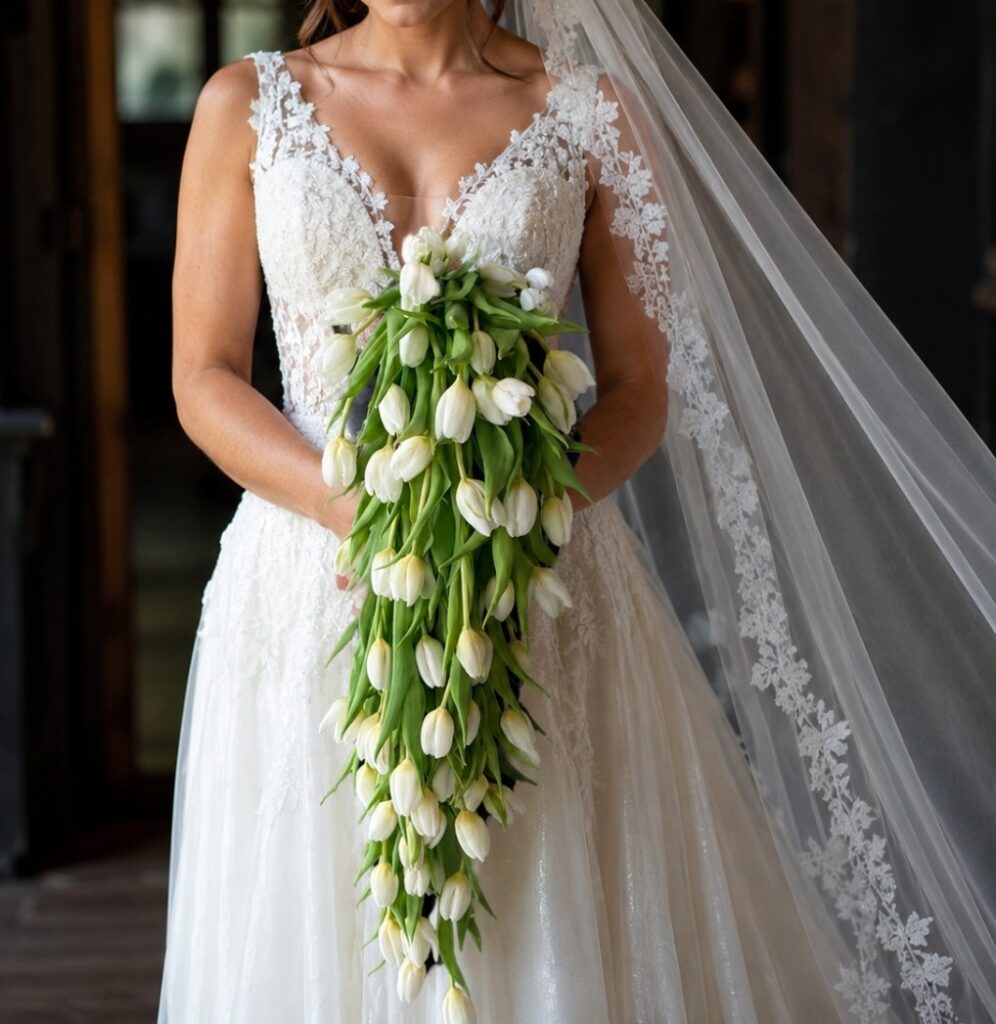
At Fay Flowers Studio, we design every bridal bouquets with your full wedding vision in mind — including how you might want your flowers to live on after the day.
Florist tip
Booking your consultation 10–12 months ahead gives access to the widest seasonal range and lets us source rare varieties early.
Talk to Your Florist Before Your Wedding Day
The best time to think about bouquet preservation is actually before your wedding, not after. Your florist can help you choose varieties that not only look spectacular on the day but also respond beautifully to the preservation method you have in mind.
At Fay Flowers Studio, we design bespoke bridal bouquets for couples across Melbourne crafted with premium seasonal blooms, thoughtful colour palettes, and attention to every detail. We love knowing that the bouquets we create go on to become lasting keepsakes, framed artworks, and treasured family heirlooms.
If you’re planning your wedding flowers and want to discuss how to design a bouquet that preserves beautifully, we’d love to talk. Reach out to the Fay Flowers Studio team for a consultation, and let’s create something you’ll want to hold onto forever.
Wedding Florist Melbourne | Bridal Bouquets | Book a Consultation
Conclusion and CTA:
Your wedding bouquet deserves more than a week in a vase and a sad journey to the bin. With the right preservation method — chosen for your flowers, your style, and your budget — those blooms can become something you look at every single day and feel that same rush of joy you felt walking down the aisle.
Start the process early, choose your method carefully, and if you’re ever in doubt, trust a professional. Your future self will thank you.
Ready to design a wedding bouquet worth preserving? Contact Fay Flowers Studio today and let’s start planning your perfect bridal flowers.
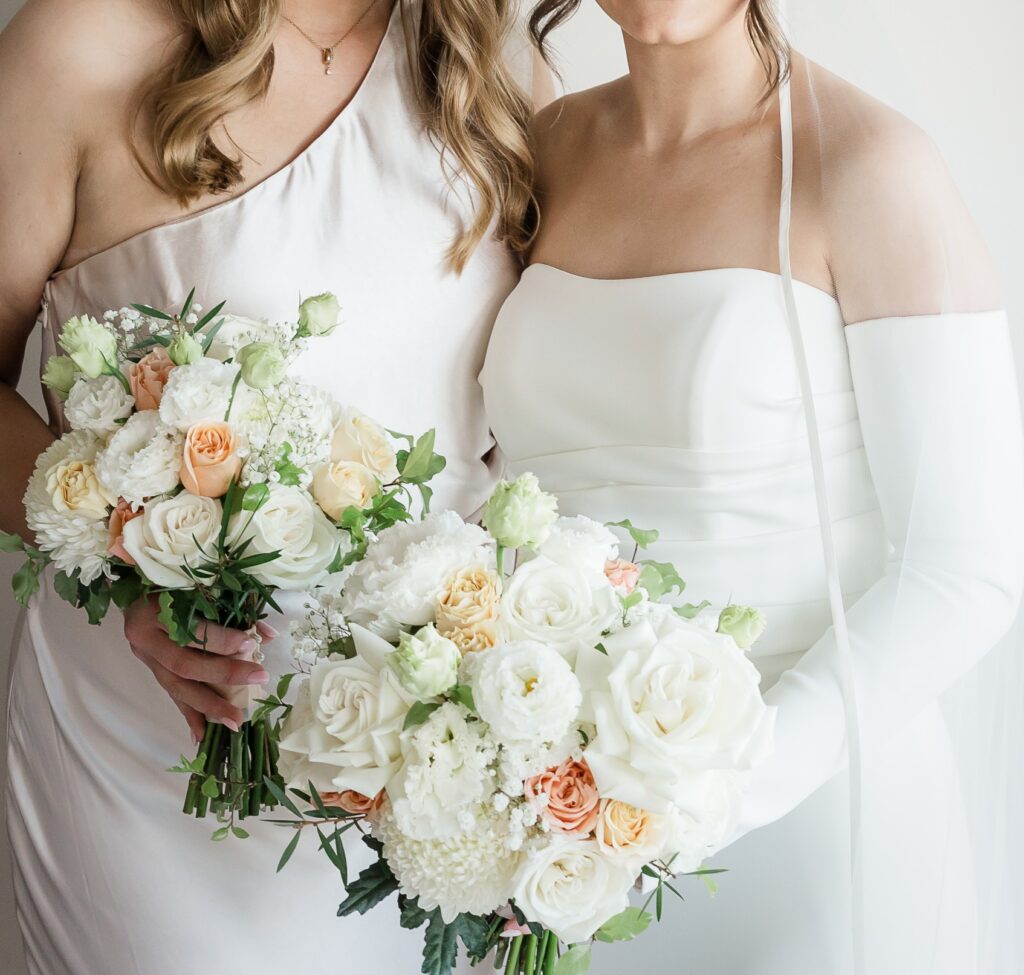
Creative Ways to Display Your Preserved Wedding Flowers
Once your flowers are preserved, the way you display them is a chance to make something truly personal for your home. Some of our favourite ideas:
– A framed pressed flower artwork displayed in your bedroom or hallway
– A glass cloche over a freeze-dried or air-dried bouquet for a romantic, timeless look
– Resin jewellery — pendants, rings, or earrings made from your most significant blooms
– A 3D shadow box incorporating your flowers alongside your wedding invitation, vows, and a favourite photo
– Resin coasters or a jewellery tray on your dressing table
– A botanical print created from your pressed flowers, framed in a style that suits your home décor
– A preserved flower wreath using dried eucalyptus, natives, and blooms from your bouquet
The most meaningful displays are often the ones that weave the flowers into everyday life — rather than something tucked away in a box, a well-chosen keepsake becomes part of the home you’re building together.
DIY vs Professional Wedding Bouquet Preservation — Which Should You Choose?
This comes down to three things: your budget, the complexity of your bouquet, and how precious the result is to you.
DIY methods like air drying, pressing, and silica gel are genuinely accessible and can produce lovely results — particularly for simpler bouquets with hardier flowers. If you’re comfortable following instructions carefully and enjoy a hands-on project, these are worth trying.
However, if your bouquet includes delicate or complex blooms, if it represents a significant investment, or if you want a truly polished, gallery-quality result, professional preservation is money well spent. A professional artist has the tools, materials, and experience to produce results that are simply not achievable at home — and a well-done preserved bouquet can last for decades.
Our honest advice: If you’re at all unsure, choose professional. The DIY approach carries more risk, and unlike most things, you only get one chance with your wedding flowers.
How long does it take to preserve a wedding bouquet?
It depends on the method. Air drying takes two to three weeks. Silica gel drying takes five to seven days. Pressing takes two to four weeks. Professional resin preservation typically takes four to eight weeks once the studio receives your flowers. Freeze drying can take several weeks to months. Shadow box framing usually takes six to ten weeks. Most professional preservationists will give you an estimated timeline when you book.
How much does professional bouquet preservation cost in Australia?
Costs vary depending on the method and the artist. As a general guide, pressed flower framing starts from around $150 to $300. Resin keepsakes range from $150 to $500 or more. Shadow boxes and custom framing typically start from $200 and can go significantly higher for large, detailed pieces. Freeze drying is generally the most expensive, starting from around $300 to $700 depending on the bouquet size and provider.
Can I preserve my bouquet after it has already dried out?
In many cases, yes — though the results won’t be as vibrant as working with fresh flowers. Some professional pressed flower artists can work with already-dried bouquets, and shadow box artists can often reconstruct a dried arrangement. If your flowers are already quite far along, contact a preservation specialist directly and share photos — they’ll be honest about what’s achievable.
What is the best method to preserve wedding flowers?
The best method depends on what result you want. If you want the most lifelike three-dimensional result with the best colour retention, professional freeze drying or resin encapsulation deliver the most stunning outcomes. If you want a beautiful flat artwork for your wall, pressed flower framing is hard to beat. If you want something accessible at home without spending much, air drying or silica gel are good starting points.
How do I preserve my wedding bouquet if I’m going on my honeymoon straight after the wedding?
Plan ahead. Before your wedding, research a preservation specialist and have a conversation with them about logistics. On the day, designate someone in your bridal party to take responsibility for the bouquet. They should recut the stems, place the flowers in fresh water, keep them cool, and either begin a DIY method or courier the bouquet to a professional within 48 to 72 hours.
Can all flowers in a bridal bouquet be preserved?
Most flowers can be preserved, but some respond better than others and some methods suit particular blooms more than others. Hardy flowers like roses, eucalyptus, and protea preserve well across multiple methods. Delicate blooms like peonies and orchids generally need professional silica gel or freeze drying to produce beautiful results. Talk to your florist when designing your bouquet — they can advise on which varieties will give you the best preservation options.
How long will a preserved wedding bouquet last?
This varies by method and how well the piece is displayed and stored. Air-dried bouquets typically last one to two years before deteriorating. Pressed flower frames, when properly sealed and kept out of direct sunlight, can last ten years or more. Resin keepsakes, shadow boxes, and freeze-dried arrangements can last for decades with appropriate care.

- Difference Between Seasonal and Imported Wedding Flowers - 17 September 2026
- Pair Native and Classic Wedding Flowers - 3 September 2026
- Flowers for month of july - 28 June 2026
YOU MIGHT ALSO LIKE
EXPLORE MORE FROM FAY FLOWERS STUDIO
WEDDING FLORISTRY
Bridal bouquets Melbourne
………………………………………………………………………..
Ceremony floral arches
………………………………………………………………………..
Reception centrepieces
………………………………………………………………………..
Hanging ceiling florals
………………………………………………………………………..
Wedding florist guide 2025
CORPORATE & EVENTS
Office floral styling Melbourne
………………………………………………………………………..
Restaurant floral installations
………………………………………………………………………..
Retail window displays
………………………………………………………………………..
Brand activation florals
………………………………………………………………………..
Event florist Melbourne
FLORAL GUIDES
Seasonal flower calendar
………………………………………………………………………..
How to care for your blooms
………………………………………………………………………..
Dried vs fresh florals
………………………………………………………………………..
Choosing a Melbourne florist
………………………………………………………………………..
Funeral flowers guide